Showing posts with label Reptiles. Show all posts
Showing posts with label Reptiles. Show all posts
Ranthambore National Park
Ranthambore National Park is one of the famous and largest
national park of northern India, situated in the Sawai Madhopur region of
Rajasthan in 1980. Once considered as a famous and favorite hunting place for
the Maharaja’s of Jaipur.
Ranthambore National Park covers an area of 1,334 kms along with
sanctuaries like Mansingh and Kaila Devi Sanctuary. This park is situated at
the edge of a plateau which was established as the Sawai Madhopur Game
Sanctuary in 1955 but later it was declared as a Protect Tiger Reserves in 1973
and National Park in 1980.
This park is famous for spotted tigers which can be found easily
during the day time and a dream place for wildlife enthusiasts and wildlife
photographers.
Attractions:
Animals / Mammals
 Tigers, Leopards, Striped Hyenas, Sambar deer, Chital, Nilgai,
Common or Hanuman langurs, Macaques, Jackals, Jungle cats, Caracals, Sloth
bears, Black bucks, Rufoustailed Hare, Indian Wild Boar, Chinkara, Common Palm
Civets or Toddy cat, Common Yellow Bats, Desert Cats, Five striped Palm
Squirrels, Indian False Vampires, Indian Flying Foxes, Indian Foxes, Indian
Gerbilles, Indian Mole Rats, Indian Porcupines, Long eared Hedgehogs, Ratels,
Small Indian Mongoose, Small Indian Civets and Common mongoose.
Birds
Graylag Goose, Woodpeckers, Indian Gray Hornbills, Common
Kingfishers, Bee Eaters, Cuckoos, Parakeets, Asian Palm Swift, Owl, Nightjars,
Pigeon, Dove, Crakes, Snipes, Sandpipers, Gulls, Terns, Great Crested Grebe,
Eagles, Darters, Cormorants, Egrets, Herons, Bitterns, Flamingos, Ibis,
Pelicans, Storks, Pittas, Shrikes, Treepies, Crows, Orioles, Cuckoo-Shrikes,
Minivets, Drongos, Flycatchers, Ioras, Wood Shrikes, Pipits, Bayas, Sparrows,
Finches, Wagtails, Munias, Bulbul, Mynas, Falcons
Reptiles
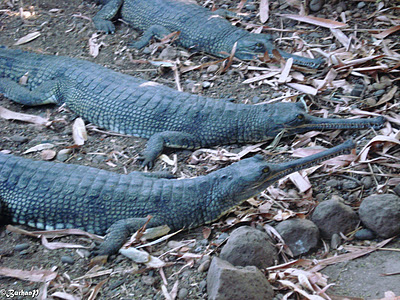
Snub Nosed Marsh Crocodiles, Desert Monitor Lizards, Tortoise,
Banded Kraits, Cobras, Common Kraits, Ganga Soft Shelled Turtles, Indian
Pythons, North Indian Flap Shelled Turtles, Rat Snakes, Russel's Vipers,
Saw-scaled Vipers and the Indian Chameleon.
Things to do:
Bird safari, Jungle safari, Elephant Safari, Jeep safari and
Photography
Best Time to visit:
October to June is only time when this park is opened for its
visitors.
How to Get There:
Nearest Airport – Jaipur and Kota
Nearest Railway Station – Jaipur and Kota Railway Station
By Road – Jaipur, Delhi, Agra
Sundarbans National Park
Sundarbans National Park is the home of more than 400 Bengal
Tigers which have very well adapted themselves with the environment of
Sundarbans. The Sundarbans are the world's largest delta formed by the mighty
rivers Ganges, Brahmaputra and Meghna. It is criss-crossed by hundreds of creeks and tributaries
and is the most attractive and appealing places remaining on earth.
Sundarbans National Park was declared as a Tiger Reserve in 1973
and a wildlife sanctuary in 1977. Finally it was declared as a National Park in
1984. The Sundarbans National Park is a home of the endangered species which
are Royal Bengal Tiger, Estuarian Crocodile, River Terrapin, Olive Ridley
Turtle, Gangetic dolphin, Ground Turtle, Hawks Bill Turtle and King Crabs.
Traveling within the park is possible only through boats and a
variety of boats are available as per choice of the visitors. A number of
hotels, lodge and rent houses are available in the park. Reaching Sundarbans is
very easy as it is well connect by roads, railways and airways.

Attractions:
Animals / Mammals
Royal Bengal Tiger, Fishing Cats, Macaques, Wild Boar, Common Grey
Mongoose, Fox, Jungle Cat, Flying Fox, Pangolin and Chital are found in
abundance.
Birds
Open bill storks, black-headed ibis, Water Hens, Coots,
Pheasant-tailed Jacanas, Pariah Kites, Brahminy Kite, Marsh Harriers, Swamp Partridges, Red
Jungle fowls, Spotted Doves, Common Mynahs, Jungle Crows, Jungle Babblers,
Cotton Teals, Herring Gulls, Caspian Terns, Gray Herons, brahminy ducks,
Spot-billed Pelicans, Large Egrets, Night Herons, Common Snipes, Wood
Sandpipers, Green Pigeons, Rose Ringed Parakeets, paradise-flycatchers,
cormorants, Fishing Eagles, White-bellied Sea Eagles, Seagulls, Common
Kingfishers, Peregrine falcons, Woodpeckers, Whimbrels, Black-tailed Godwits,
Little Stints, Eastern Knots, Curlews, Golden Plovers, Northern Pintails, White
Eyed Pochards and Whistling Teals.
Reptiles
King Cobras, Dog face water snakes, rat snakes, Estuarine
crocodiles, chameleons, water monitors, Hard Shelled Bat gun Terrapins, Mouse
Ghekos, monitor lizards turtles, Olive Ridley, hawksbill, green turtles,
pythons, Russell's vipers, Chequered Kill backs, and Common Kraits.
Aqua / Marine
Crabs, Turtles, Sawfish, Butter Fish, Electric rays, Silver carp,
Star Fish, Common Carp, King Crabs, Prawn, Shrimps, Gangetic Dolphins, Skipping
Frogs, Common Toads and Tree Frogs.
Things to do:
Bird safari, Jungle safari, Wildlife Photography and Trekking
Best Time to visit:
September to March is the best time to visit this park.
How to Get There:
Nearest Airport – Kolkata Airport
Nearest Railway Station – Kolkata Railway Station
By Road – Through Kolkata highway – Regular bus services are
available from Kolkata.
Desert National Park of Rajasthan

The Desert National Park is
situated in Jaisalmer district of Rajasthan which very near to India – Pakistan
border. The Desert National Park is covering an area of 3162 kms, of which 20%
is covered in desert (Sand Dunes). The main attraction of this park is Black
Buck which is a common antelope in this region.
The Desert National Park was
established in the year 1980 and traveler all round the world come down and
experiences the ecosystem of the Thar Desert. This park includes craggy rocks,
salt lakes, sand dunes, exotic birds and animals which give a life time
experience to its visitors.
The Desert National Park has a good collection of fossils of plants and animals of 180 million years old and also includes fossils of Dinosaurs of 6 million year old, which was found in this area.
Attractions:
Animals / Mammals
Black Buck, Desert Fox, Bengal
Fox, Desert Cat, Wolf, Hedgehog, Chinkara
Birds
Eagles, Falcons, Buzzards,
Vultures, Kestrels, Sand Grouse, Kites, Bee Eaters, Harriers, Great Indian
Bustards, Shrikes, Crane, Quails, Peafowl, Larks, Warblers, Babblers, Orioles
Reptiles
Monitor Lizard, Spiny Tailed
Lizard, Viper, Krait, Sand Fish, Chameleons
Things to do:
Jeep safari and Wildlife
Photography
Best Time to visit:
November to January is the best
time to visit.
How to Get There:
Nearest Airport – Jodhpur Airport
which is well connected with other Indian cities
Nearest Railway Station –
Jaisalmer Railway Station
By Road – Delhi – Jaisalmer –
Desert National Park (Distance between Jaisalmer to Desert National Park is
around 40 kms).
Jim Corbett National Park

Jim Corbett National Park which
was earlier known as ‘Hailey National Park’ was the first National Park in
India established in 1936. The Park was established by well known hunter and
conservationist Jim Corbett and is the oldest park in India. The main aim of
the park was to protect the endangered Bengal Tiger and create a secure place
for its survival.
This Park is situated in Nainital
district of Uttarakhand with an area of 1318.54 sq. km. Jim Corbett National
Park of India is the most beautiful wildlife area for the Bengal Tiger which is
around 160 in numbers and makes this place most important bastion for the
endangered species.
Wildlife Lover’s can visit Jim
Corbett Reserved Area to see its splendid landscape and the diverse wildlife.
Recently the visitors to this park have increased to 70 thousand from overall
the world and India. Tourists are allowed to trek outside of the park with a
professional guide. Also the winters are very cold and need make proper
arrangements, if you are planning to travel during winter season.
Attractions:
Animals / Mammals
 Royal Bengal Tiger, Leopard,
Sloth Bear, Indian Wild Dog, Swamp Deer, Indian Gaur, Hyena, Civets, Porcupine,
Honey Badger, Chital, Langur, Jungle Cats, Bengal Fox, Golden Jackal, Dhole,
Indian Hare, Otter, Indian Palm Squirrel, Grey Mongoose, Wild Boar, Chital,
Birds
Sandpiper, White Storks, Snipe,
Darter, Cattle Egret, Spotbill, Purple Heron, White eyed Buzzard, Shikra,
Eagle, Hawk, Peafowl, Cattle Egrets, Black Stork, Barbets, Woodpeckers,
Kingfishers, Brain fever, Red Jungle Fowl, Owl, Jungle Owlet, Great Horned Owl,
Peacock, Purple Heron, Pond Heron, Shikra, White eyed Buzzard, Rock Pigeons,
Green Pigeons, Finches, Orioles, Quails, Ring Doves, Drongos, Hoopoes,
Warblers, Chats, Redstarts, Swallows, Bayas, Finches, Robins and Fly Catcher.
Reptiles
Python, Indian Cobra, krait, rat
snake, wolf snake, Russell’s Viper, keel back, grass snake, Red Boa, Green Whip
Snake, turtles, Blue oak leaf, Giant Wood Spider, Signature Spider, Wolf
Spider, Mugger Crocodile, Garial Crocodile, Monitor Lizard, Flying Lizard,
Chameleon, Green Lizard.
Things to do:
Bird Watching, Jungle safari,
Elephant Safari, Jeep safari, Trekking and Rafting on Kosi River
Best Time to visit:
November to June is most pleasant
but it’s open through the year for Wildlife lovers.
How to Get There:
Nearest Airport – New Delhi and
Phoolbagh in Pantnagar (15kms away from Park)
Nearest Railway Station – New
Delhi or Ramnagar Railway Station which is 12 kms away from Jim Corbett
National Park
By Road – Buses are easily
available from Jaipur, Agra, Dehradun, Rishikesh, Haridwar, Delhi and Lucknow.
Katraj Snake Park

Katraj Snake Park is located
around 10kms from Pune City in Katraj, just opposite to Bharati Vidyapeeth
Campus. This park was setup by Mr Neelam Kumar Khare in the year 1986 and was
one of its kind in India. It was incorporated with Rajiv Gandhi Udyan in 1999
and you will find a zoo, snake park and garden altogether at one place.
This zoo also has a lake
were you can take the pleasure of boating and view more than 160 species of
snakes, reptiles, birds and turtles. The information about the snakes along with
pictures is displayed in a library inside this snake park.
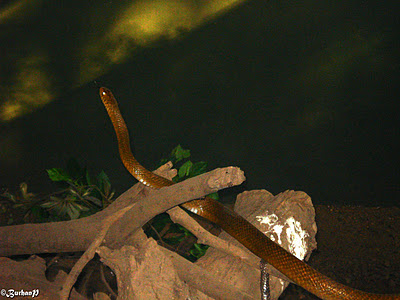
The main attractions of the park
are the rare species of Brown Palm Civet, nine feet long King Cobra brought
from Sunderbans, some rare species of birds and turtles.
Attractions:
Wildlife and Reptiles found:
Tiger, Leopard, White Tiger,
Gaur, Nilgai, Spotted Deer, Sloth Bear, Sambar, Chinkara, Elephant, Porcupine,
Wolf, Boar, Brown Palm Civet, Black Bucks, Monkeys, Eagle, Vulture, Crocodiles,
Turtles, Tortoise, King Cobra, Python, Viper, Rat Snake
Things to do:
 Wildlife Photography and Snake
Park
Best Time to visit:
Open throughout the year from
10am to 5pm.
How to Get There:
Nearest Railway Station – Located
around 15kms from Pune Railway Station
By Road – Located around 10kms
from Pune City
Kahna National Park
Kahna National Park of Madhya Pradesh came into existence in 1955 and the Tiger Reserve Project was setup in the year 1974. The Park’s landmark achievement is the preservation of the rare Barasingha, Royal Bengal Tiger and the Black Buck. However the Black Buck did not survive has the habitat was not suitable.
The Kahna National Park is located in two districts of Madhya Pradesh, Mandla and Balaghat. It covers an area of more than 1,067 kms and is one of the largest National Parks in Central India. The Tiger, a fascinating animal that can be seen through a jeep or elephant safaris, which will give you thrilling experience for the share majesty, power and grace which the tiger displays. The Project tiger was launched in India in 1972 as conservation program for saving the Indian Tiger Population.
There is a museum inside the Kahna National Park representing attributes and activities of the park and tribal culture.
Attractions:
Animals / Mammals
Royal Bengal Tiger, Leopard, Sloth Bear, Barasingha, Indian Wild Dog, Fox, Jackal, Swamp Deer, Indian Gaur, Hyena, Civets, Porcupine, Ratel, Honey Badger, Chital, Langur, Jungle Cats, Barking Deer, Black Buck, Chausingha, Bengal Fox, Golden Jackal, Dhole, Indian Hare, Indian Muntjac, Otter, Indian Palm Squirrel, Grey Mongoose, Wild Boar, Chital, Nilgai.
Birds
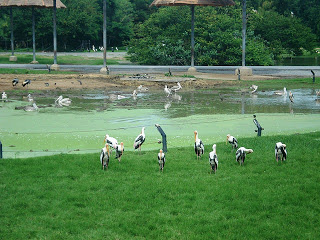 Purple
Heron, White eyed Buzzard, Shikra, Eagle, Hawk, Peafowl, Cattle Egrets, Black
Stork, Barbets, Woodpeckers, Kingfishers, Brain fever, Red Jungle Fowl, Owl,
Jungle Owlet, Great Horned Owl, Peacock, Purple Heron, Pond Heron, Shikra,
White eyed Buzzard, Rock Pigeons, Green Pigeons, Finches, Orioles, Quails, Ring
Doves, Drongos, Hoopoes, Warblers and Fly Catcher.
Reptiles
Python, Indian Cobra, krait, rat snake, wolf snake, Russell’s Viper, keel back, grass snake, Red Boa, Green Whip Snake, turtles, Blue oak leaf, Giant Wood Spider, Signature Spider, Wolf Spider, Marsh Crocodile, Monitor Lizard, Flying Lizard, Chameleon, Green Lizard.
Things to do:
Elephant Safari and Jeep safari
Best Time to visit:
Feb to June is open for Wildlife lovers and remains closed from July to October during the monsoon season.
How to Get There:
Nearest Airport –Jabalpur, Raipur and Nagpur
Nearest Railway Station – Jabalpur, Raipur or Nagpur
By Road – From Jabalpur– Mandla – Nainpur – Kahna
Kaziranga National Park

Kaziranga National Park is a famous park for the ‘Great One Horned Rhinoceros’ and is located in the Golaghat and Nagoan district of Assam. Kaziranga National Park has a rich abundance of the rhinos and was declared as a Tiger Reserve in the year 2006.
Today the park covers almost 70% population of the world Indian Rhinos and is placed beside the Brahmaputra River on the north and the Karbi Anglong mounts on the South. The main attractions of Kaziranga are its broad diversity of wildlife. You will surely find rhinos along with Elephants, Swamp Deer, Sambar, Civet, Tigers and Ganges dolphins.
You can enjoy in Kaziranga National Park with jeep safari and elephant safari. It is also a famous place for bird watching and Midrange National Park has all pleasure stored in it.
Attractions:
Animals / Mammals
One Horned Rhinoceros, Wild Asiatic water buffalo, Swamp Deer, Elephants, Gaur, Sambar, Wild Boar, Hog Deer, Tigers, Leopards, Jungle Cat, Fishing Cat, Hispid Hare, Mongoose, Civet, Bengal Fox, Jackal, Chinese Pangolin, Squirrels, Langur, Hoolock Gibbon, black bear, sloth bear, Eastern mole, Pangolin, White browed gibbon, Ganges Dolphins
Birds
Lesser White Fronted Goose, Ferruginous Duck, Baer's Pochard duck,Lesser Adjutant, Greater Adjutant, Black-necked Stork, Asian Openbill stork, Blyth's Kingfisher, White-bellied Heron, Dalmatian Pelican,Spot-billed Pelican, Nordmann's Greenshank, Black-bellied Tern, Eastern Imperial, Greater Spotted, White-tailed, Pallas's Fish Eagle, Grey-headed Fish Eagle,Lesser Kestrel, Vultures, Swamp Francolin, Bengal Florican, Pale Capped Pigeon, Great Indian Hornbill,Wreathed Hornbill, Marsh Babblers
Reptiles
Pythons, King Cobra, Russell’s Viper, Krait, Indian Cobra, Monocled Cobra, Roofed Turtle, Rat Snake, Stripped Keelback, Vine Snake, Brown Tortoise, Bengal Monitor, Water Monitor, Monitor Lizards, Turtles, Tortoise, Gecko,
Things to do:
Elephant Safari and Jeep safari
Best Time to visit:
October to March is most pleasant but it’s open through the year for Wildlife lovers.
How to Get There:
Nearest Airport – Tezpur or Guwahati Airport
Nearest Railway Station – Jorhat or Fukating Railway Station
By Road – From Tezpur and Guwahati.
Gir National Park in Gujarat
Gir National Park covers an area of 300kms and 1150 area comes under Sanctuary which was established in the year 1965 in the state of Gujarat, India. Gir is the only habitat of Asiatic Lions located around 90kms from Keshod Airport in the district of Junagadh.
Asiatic Lions are smaller in size compared to its cousins the ‘African Lions’. The best view of the Lions can be done through jeep safari. The counts of Lion have recently increased to 411 (97 males, 162 females and 152 cubs) due to the lion counting and breeding program conducted in Gir.
Gir National Park is a natural habitat for 300 Lions and 300 Leopards which also includes 38 species, 300 species of birds, 38 types of reptiles and more than 200 species of butterflies.

Attractions:
Animals / Mammals
Asiatic Lions, Panther, Leopard, Wild Ass, Chital, Chinkara, Four Horned Antelope, Wild Boar, Jackal, Hyena, Langur, Porcupine, Black naped Indian Hare, Blue Bull, Sambar, Palm Civet, Jungle Cat and Spotted Cat.
Birds

Around 200 species of Butterflies.
Reptiles
Marsh Crocodiles, King Cobras, Python, Viper, Krait, Indian Star Tortoise and Monitor Lizard.
Things to do
Lion safari, Wildlife safari, Jeep safari and Butterfly watching.
Best Time to visit:
November to June is most pleasant for Wildlife lovers.
How to Get There:
Nearest Airport –Keshod, Rajkot and Bhavnagar
Nearest Railway Station – Sasan Gir, Rajkot, Bhavnagar
By Road –Junagadh and Verawal.
Subscribe to:
Posts (Atom)